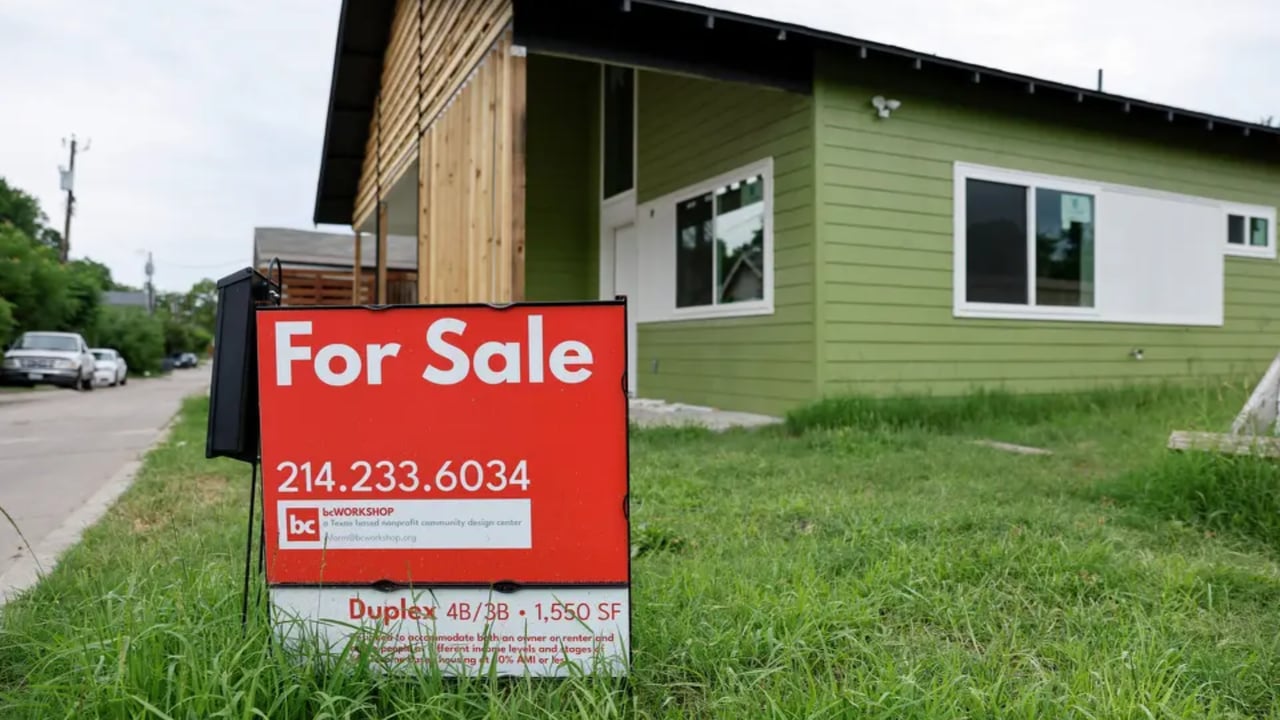
With median home values in Dallas-Fort Worth around $400,000, purchasing a home is often one of the biggest financial decisions anyone can make. The consequences of getting it wrong can be massive.
So, you’re thinking of buying a home?
Buying a home can be especially daunting for those who are going through the complicated process for the first time. From financing to house hunting to inspections and more, the process can quickly become overwhelming.
With that in mind, here are some helpful tips for first-timers:
Understand the process
Before you dive into buying a home, it is important to know what you’re getting into. A homebuyer education course for first-time homebuyers can be an excellent resource to help them understand the process.
The Texas Department of Housing and Community Affairs recommends the “Finally Home!” program for homebuyer education and housing counseling services. It costs a maximum of $50 through the TDHCA’s partnership. Other options include free federal education programs like Freddie Mac’s CreditSmart Homebuyer U and Fannie Mae’s HomeView programs. All of these courses are available online in English and Spanish.
Additionally, here’s a look at the basic steps you will typically go through when buying a home:
- Budgeting and saving: Before even starting the process, you will need to get your finances in order and save enough money for a down payment and all the expenses associated with buying a home and owning it. At this stage you may also want to look at your credit report and take any steps you can to improve it.
- Finding a lender and getting pre-approval: You will want to shop for a mortgage lender, consider different loan types and secure a pre-approval letter before shopping for a home.
- House hunting: At this point, you will begin working with a real estate agent to find a home. Here you can consider wants, needs and anything else that is important to you in a home.
- Making an offer: Once you find a home you like, you can make an offer, which includes things like price, closing date, potentially an option period as well as other fees or stipulations.
- Option period: This time, typically around a week, is when you’ll be able to do home inspections and other due diligence on the property.
- Closing: At this point, you will need to have finalized financing and secured homeowner’s insurance. You will sign all the necessary documents, pay all the required fees and complete the transaction.
- Move-in day!
Get your finances in order
Buying a home is typically the biggest purchase you will ever make. As such, it is imperative to make sure you can afford it. Once you decide buying is right for you, getting a complete handle on your finances and making a comprehensive budget is essential.
“I want (buyers) to be financially responsible. I want them to understand what their payment looks like, and the loan calculators online are great, but they don’t take into account sometimes the taxes in the area and the insurance,” said Dallas-based real estate agent Summer Graham.
Make sure to consider all of the various costs associated with homeownership. Upfront costs like a down payment, closing costs and moving expenses are the most immediate, but recurring costs are also important. These include your monthly mortgage payment, property taxes, homeowner’s insurance, maintenance costs, utilities and more. There are also other considerations like mortgage rates and homeowner’s association fees, all of which can influence what you can afford.
It is crucial to be prudent because buying a home that is too expensive can leave you hamstrung in other areas of your finances. It is also important to budget for home improvements you may want to make after a purchase, as well as additional savings for emergencies.
Your down payment does not need to be the traditional 20% of the purchase price. In fact, the typical down payment for a first-time homebuyer historically ranges from 6% to 9%, according to the National Association of Realtors. Loans with smaller down payments will sometimes require private mortgage insurance (PMI) which can add an additional expense, but a smaller down payment can also preserve your liquidity and keep you covered in case of a rainy day.
Get pre-approved for a loan early in the process
Before beginning a house search, securing a pre-qualification on a mortgage loan is the best way to start, according to independent mortgage broker Patricia Nagler. She also recommends searching with various lenders and brokers and getting competitive quotes from each. This way you have a better idea of how much is at your disposal when you begin searching for a home.
“Don’t go out and look at open houses and decide what you want before you know you can do it, because then, if you can’t afford that much house, anything else in your price range isn’t going to appeal as much to you,” Nagler said.
You can go one step further with a pre-approval letter, which requires more in-depth review from a lender than a pre-qualification. These letters can be a good way to show sellers you are a serious buyer with proper financing, which can make any potential offer more competitive.
However, it is important to note that you may be pre-qualified or pre-approved for a bigger loan than you can comfortably afford. In these cases, it is often good to limit the amount you borrow to remain in line with your budget and to eventually purchase a home within your means.
“Someone could get approved for a million dollar loan, but a $10,000 mortgage is not comfortable for them because of the lifestyle that they live, or if they have kids in private school, and so instead we say, ‘Okay, if you only want to spend 5,000 a month on a home, then your budget shouldn’t go over this number,’” Graham said.
You can work with a lender to consider different loans available to you and which ones fit your situation best. Some common types are conventional loans, Federal Housing Administration (FHA) loans and Veterans Affairs (VA) loans. Each of these has different requirements when it comes to credit scores, down payments and more, which makes it important to understand your options and find the best fit.
Look into local assistance programs
Buying a first home can be daunting, but there are many programs out there that can help. These include down payments and closing cost assistance programs.
The Dallas Homebuyer Assistance Program is one option available to help low- to moderate-income buyers with down payments and closing costs on home purchases in the city of Dallas.
The TDHCA offers assistance for first-time homebuyers through down payment assistance and 30-year, low-interest mortgage rates. The Texas State Affordable Housing Corp. has similar programs, including some specifically for educators, first responders and veterans, among others.
Build a great team around you
The homebuying process involves many people, and having the right ones in your corner can help make it smoother and less stressful. Crucial among them are your real estate agent, a mortgage lender, a home inspector and a title company.
Typically, buyers will begin the process by contacting a lender or a real estate agent. Working with a lender first can help you better understand what kind of financing is available to you before you begin looking for a house. An agent can help you by providing references to lenders they work with regularly, as well as help begin to narrow down what you want or need from a home. In either case, it is important for buyers to consider different options and find someone who best suits their needs for what can often be a monthslong process.
Jim Fite, CEO of Century 21 Judge Fite Co., said a real estate agent can be the most crucial component of the puzzle for many buyers.
“The realtor — in my 54 years of real estate brokerage — should be the hub of the transaction,” Fite said. “They can guide the buyer through all of these waters, so you’ll have a very happy experience and a wonderful experience for your future.”
He added that a good agent can also help streamline the process by connecting a buyer to other trusted parties with whom they have worked.
Keep this in mind during home inspections
After making an offer, buyers in Texas will typically have an option period, which lasts around a week and gives you time to do your due diligence on the property. This usually includes a home inspection which, while optional, is highly recommended. These will feature a professional inspector checking the property on a wide variety of things like HVAC, plumbing, electrical and more. Real estate agent Curt Elliott of the Elliott & Elliott Real Estate Group in Dallas especially recommends looking at foundations in North Texas because of risk related to the area’s terrain.
“The general inspector usually will give (buyers) an idea of how secure the foundation looks, but in some cases they may suggest a structural engineer come in to look at the foundation,” Elliott said.
He recommends that buyers focus on potential safety issues rather than cosmetic defects when it comes to inspections. Anything found at this point could factor into renegotiation with a seller and if something is seriously wrong, a buyer can usually back out at this point with minimal expense.
Don’t forget homestead exemption
While Texas has no state income taxes, property taxes across the state are among the highest in the nation. This can mean a significant additional expense on top of your mortgage payments and other homeownership costs.
Property tax exemptions can alleviate your property tax bill. The residence homestead exemption is one major option available to those who own and reside in their home. This exemption excludes $140,000 from the value of your property when calculating school taxes owed. This means if your home is worth $300,000, the exemption could make it so you only pay school taxes as if your home was worth $160,000.
The Dallas Central Appraisal District has more information on the residence homestead exemption and other available property tax exemptions.