Sherman is not just growing. It is changing fast. If you are thinking about buying a home here, you are probably wondering whether the building boom will create more opportunity, more competition, or both. The good news is that today’s market gives you more room to negotiate than buyers had during the hottest years, but timing, location, and price point still matter. Let’s dive in.
Why Sherman Is Growing So Quickly
Sherman is in a major growth cycle, and the numbers make that clear. The city’s population reached an estimated 52,417 by July 1, 2025, which is 20% higher than the April 2020 census base. That means Sherman is already adding households while large employment projects continue to scale up.
A big part of that growth story is job creation. Texas Instruments says its Sherman campus is a four-fab semiconductor project with 4.3 million square feet of manufacturing space, up to $40 billion in potential investment, and 3,000 new jobs, with SM1 production starting in 2025. The City of Sherman also says GlobalWafers will add 1,500 jobs, and a June 2026 city update says Coherent’s expansion will support 550 jobs at full production.
For homebuyers, this matters because job growth often feeds housing demand over time. Even if every new job does not turn into an immediate home purchase, a stronger employment base can shape demand, pricing, and where new communities are built.
Infrastructure Is Part of the Housing Story
Growth is not only about new employers. It is also about whether roads, utilities, and public systems can keep up. The City of Sherman says it is adding roadway, drainage, water, and wastewater capacity to support growth, which makes infrastructure a key part of the local housing picture.
Transportation improvements are especially important to watch. TxDOT’s US 75 expansion from Texoma Parkway to US 82 is estimated for completion in fall 2027. If you are buying in a developing area, projects like this can influence commute patterns, construction timelines, and how quickly nearby housing gains traction.
What the Housing Pipeline Means for Buyers
At first glance, Sherman’s housing pipeline looks huge. RCLCO’s 2024 housing study found 3,745 units under construction, 8,143 more in engineering review, and nearly 16,000 additional units planned. That sounds like a wave of future inventory, but the same study also warns that many planned projects may never deliver.
That distinction is important. Planned housing is not the same as available housing, and engineering review is not the same as a move-in-ready home. If you are waiting for more choices, some relief may come, but you should not assume every announced project will turn into actual homes on the market.
The study also says under-construction units could satisfy rental demand for six to seven years and for-sale demand for nine to ten years. That suggests Sherman is trying to grow ahead of demand in some parts of the market, even while certain home types remain harder to find.
Where New Development Is Taking Shape
Sherman’s 2024 annual report lists nine active planned developments, which gives buyers a good sense of where growth is clustering. Bel-Air Village is one of the biggest names in that pipeline, with almost 300 phase-one permits already issued and another 561 expected in phase two.
Other active planned developments named by the city include:
- Bel-Air Village
- Heritage Ranch
- Shepherd’s Place
- The Village
- Hickory Hill
- Blalock Industrial Park
- Pecan Grove Estates
- Aspen Park
- Greenway
Several growth corridors stand out in the city’s reporting:
- East of US 75 and south of FM 1417: Bel-Air Village
- US 82 between FM 1417 and Travis Street: Heritage Ranch
- Southwest corner of Shepherd Drive and US 75: Shepherd’s Place
- South of FM 1417 between Moore Street, West Travis, and West OB Groner Road: The Village
- Northwest quadrant near Lamberth Road and Friendship Road, south of Hwy 82: Hickory Hill
- South of US 75 and Texoma Parkway, south of Fallon Drive: Pecan Grove Estates
- Southwestern quadrant of metro Sherman: Greenway
For buyers, these areas may offer more chances to explore newer housing over time. They can also come with active construction nearby, evolving traffic patterns, and phased timelines instead of immediate full buildout.
Why Location Still Shapes Price
Sherman’s housing study says existing lots tend to skew larger, and even small lot changes can materially affect home prices. That means two new homes with similar square footage may still land at very different price points depending on lot size and location.
The same study notes that new construction is more likely to appear on the perimeter of town and follow new infrastructure. It also says infill opportunities still exist in some core areas. If you want a newer home, you may find more options farther out, while buyers who prefer more established parts of Sherman may need to look harder for updated resale homes or infill opportunities.
The city’s study also notes that higher-value homes cluster on the western side of town. That does not mean every home there is expensive or that every other area is more affordable, but it does show how location patterns can shape your search strategy.
What Today’s Market Says About Competition
If you have heard that Sherman is booming, you might expect a difficult bidding-war market. Current data suggests a more balanced picture. Multiple trackers show pricing has cooled and listings have become easier to find compared with peak seller-market conditions.
As of June 2026, Zillow reported Sherman’s average home value at $256,924, down 6.9% year over year, with 395 homes for sale and a median of 53 days to pending. Zillow also showed that 13.0% of sales closed above list price, which means some well-positioned homes are still attracting strong offers.
Redfin’s May 2026 data showed a median sale price of $284,830, down 8.1% year over year, with homes taking 79 days to sell and the market described as not very competitive. Realtor.com reported about 1,000 active listings, a median listing price of $309,000, and a 99% sale-to-list ratio, calling Sherman a buyer’s market.
These sources use different methods, so the numbers do not match perfectly. Still, they point in the same direction: Sherman is softer and less frenzied than it was during the hottest stretch of the market. That can create more negotiating power for buyers, especially if a home has been sitting longer or needs updates.
Affordability Is Still the Biggest Pressure Point
Even with cooler pricing, affordability remains a real challenge. Census QuickFacts puts the median value of owner-occupied homes in Sherman at $243,500, while median household income is $58,859. That gap helps explain why many buyers still feel stretched.
RCLCO found that average annual salary in the Sherman-Denison metro rose from $45,000 in 2018 to $56,000 in 2023, but the home price-to-income ratio climbed from 2.25 to 5.37. The same study says 57% of Sherman households earn below 100% of area median income, 75% could not afford the 2023 median sale price of $293,000, and nearly 94% of homes built since 2020 are affordable only to households above 100% of area median income.
For everyday buyers, this is the heart of the issue. The boom may increase housing choices over time, but the most attainable homes are still under the most pressure. That is especially true for buyers looking for starter homes or newer construction at lower price points.
What This Means if You Want New Construction
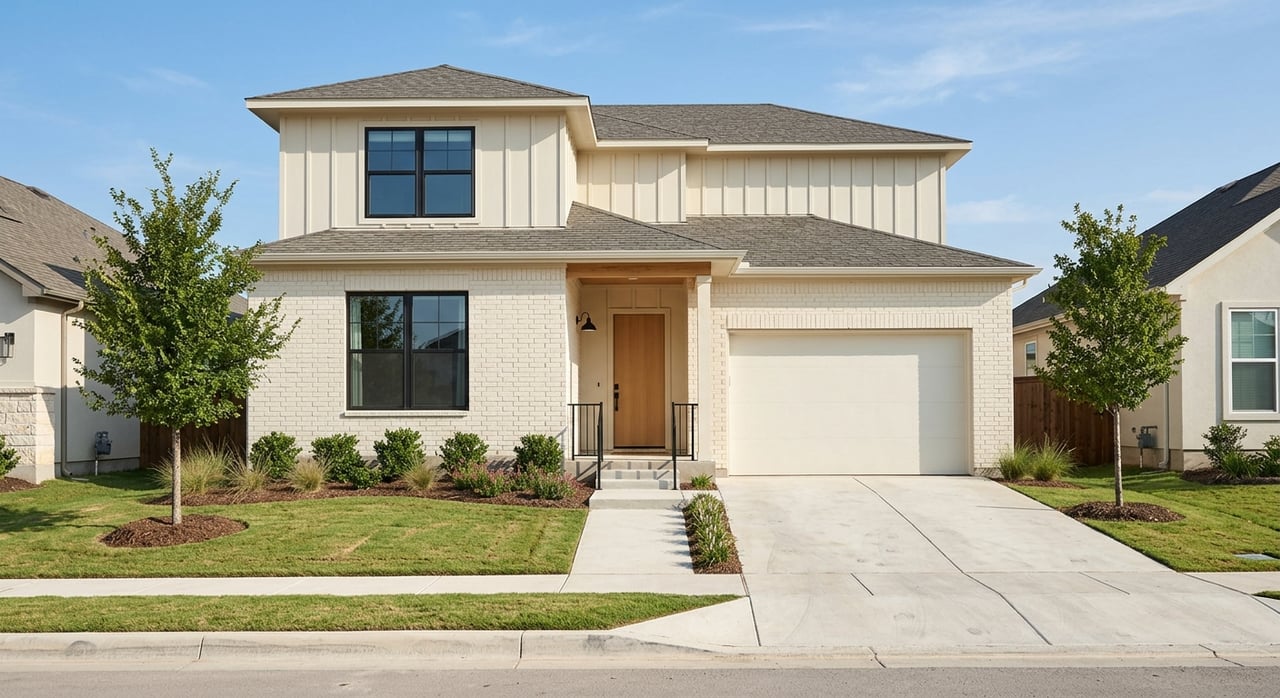
New construction can be appealing in a fast-growing market. You may get modern layouts, energy-efficient features, and the chance to buy in an area that is still taking shape. In Sherman, many of those opportunities are likely to be in peripheral growth corridors tied to new infrastructure.
At the same time, not every new-home opportunity will be budget-friendly. Sherman’s housing study suggests that a large share of recently built homes have priced beyond what many local households can comfortably afford. If you are set on a new build, it helps to compare total monthly costs carefully and stay flexible on timeline, lot, and finishes.
What This Means if You Prefer Resale Homes
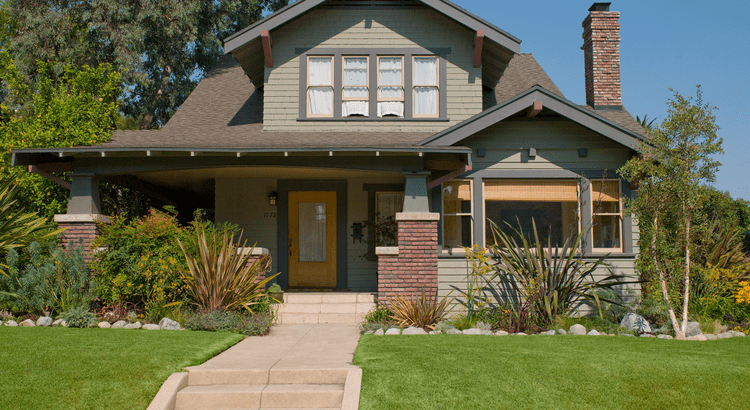
Resale homes may offer more value in today’s softer market, especially if you are open to cosmetic updates or a less brand-new setting. Because Sherman has had strong demand for years, not just during the latest growth wave, you may still find solid competition for homes that are well-priced and move-in ready.
The city’s housing study says Sherman accounted for roughly one-third of Grayson County home sales, with annual sales rising from about 350 in 2012 to 700 in 2023. Over that same period, months of inventory fell from 7.5 to 3.9. That history shows there has been consistent underlying demand here, even before the newest employer expansions fully mature.
Smart Buying Strategies in Sherman Right Now
If you are buying in Sherman during this transition period, a careful plan can make a big difference. The market is giving buyers more breathing room, but affordability and product type still shape your odds.
A few practical strategies can help:
- Watch both new construction and resale inventory instead of focusing on one category only.
- Pay close attention to growth corridors where infrastructure and housing are expanding together.
- Compare list price, days on market, and likely monthly payment, not just square footage.
- Stay ready to move quickly on well-priced attainable homes.
- Be cautious about assuming every planned development will deliver on your ideal timeline.
The key takeaway is simple. Sherman looks like a transition market. Demand is being pulled by industrial growth and infrastructure investment, while today’s cooler pricing gives buyers more leverage than they had during a peak seller surge.
If you are trying to decide where and when to buy, local guidance can help you sort through what is planned, what is under construction, and what is actually available now. If you want a tailored strategy for your move in North Texas, connect with Minouche Martins.
FAQs
How is Sherman’s job growth affecting local homebuyers?
- Major employers including Texas Instruments, GlobalWafers, and Coherent are adding jobs in Sherman, which can increase housing demand over time and influence where new homes are built.
Is Sherman a buyer’s market for home shoppers in 2026?
- Current market trackers generally point to a softer market with more buyer leverage than during the peak seller-market years, although desirable homes can still move quickly.
Where are new homes being built in Sherman, Texas?
- City reporting highlights active planned development areas including Bel-Air Village, Heritage Ranch, Shepherd’s Place, The Village, Hickory Hill, Pecan Grove Estates, Aspen Park, and Greenway.
Are home prices in Sherman, Texas going up or down?
- Recent data from Zillow and Redfin showed year-over-year price declines as of 2026, though the exact figures vary by source and some homes still sell above list price.
Why does Sherman still feel expensive for some buyers?
- Sherman’s housing study found that incomes have risen, but home prices have risen faster, putting the most pressure on attainable homes and newer entry-level options.